By Shain Park, Realtors®
There's a reason Birmingham consistently tops lists of metro Detroit's most desirable communities — and a reason the people who live here tend to stay for decades. It combines a walkable, genuinely active downtown with beautiful residential streets, a strong arts presence, and a community character that feels earned rather than manufactured. We've been rooted here for generations, and we still find things worth talking about.
Key Takeaways
- Birmingham's downtown is one of southeast Michigan's most walkable and genuinely active urban cores
- The residential neighborhoods offer architectural diversity and mature character that newer suburbs can't replicate
- Arts, culture, and community programming give Birmingham a depth of identity beyond its retail reputation
- Birmingham's position within metro Detroit puts residents close to everything while maintaining a distinct community feel
The Downtown Experience: Why Birmingham's Core Sets It Apart
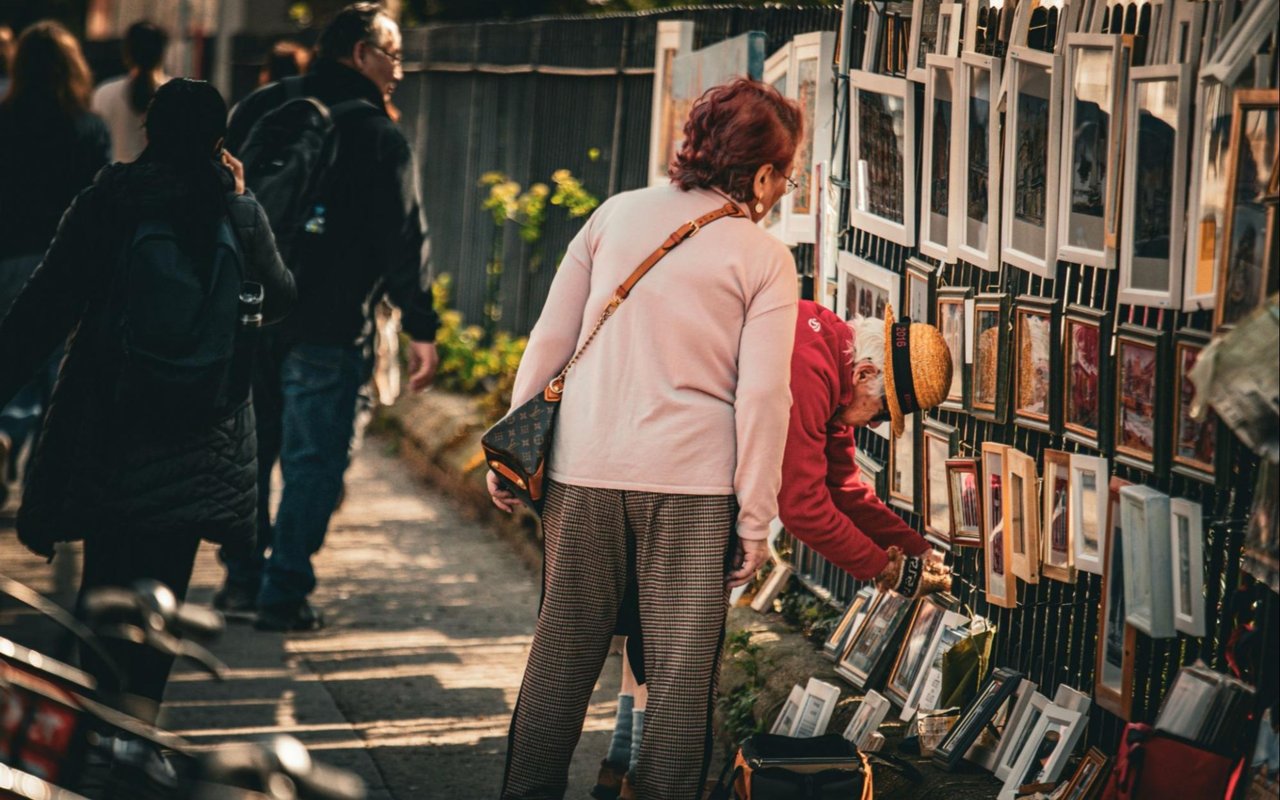
Birmingham's downtown isn't a lifestyle amenity — it's the actual center of daily life for the people who live here. Woodward Avenue and the surrounding blocks of Maple, Old Woodward, and Merrill offer a density of independently owned shops, chef-driven restaurants, and galleries that most Michigan communities ten times Birmingham's size can't match. The scale is just right: everything is within a short walk, and the streets stay genuinely busy with residents year-round.
What Birmingham's Downtown Delivers for Residents
- A Saturday farmers market that operates as a social institution as much as a produce and specialty food destination
- Independently owned boutiques, specialty retailers, and home goods shops that make the street-level experience consistently interesting
- A dining scene ranging from long-standing neighborhood favorites to newer chef-driven concepts that draw visitors from across the region
- The Palladium, an independent movie theater that anchors the downtown's evening culture in ways a chain venue never could
- Outdoor dining patios and street-level activity that keeps the downtown feeling alive across all four seasons
The Neighborhoods: Architecture, Character, and Community
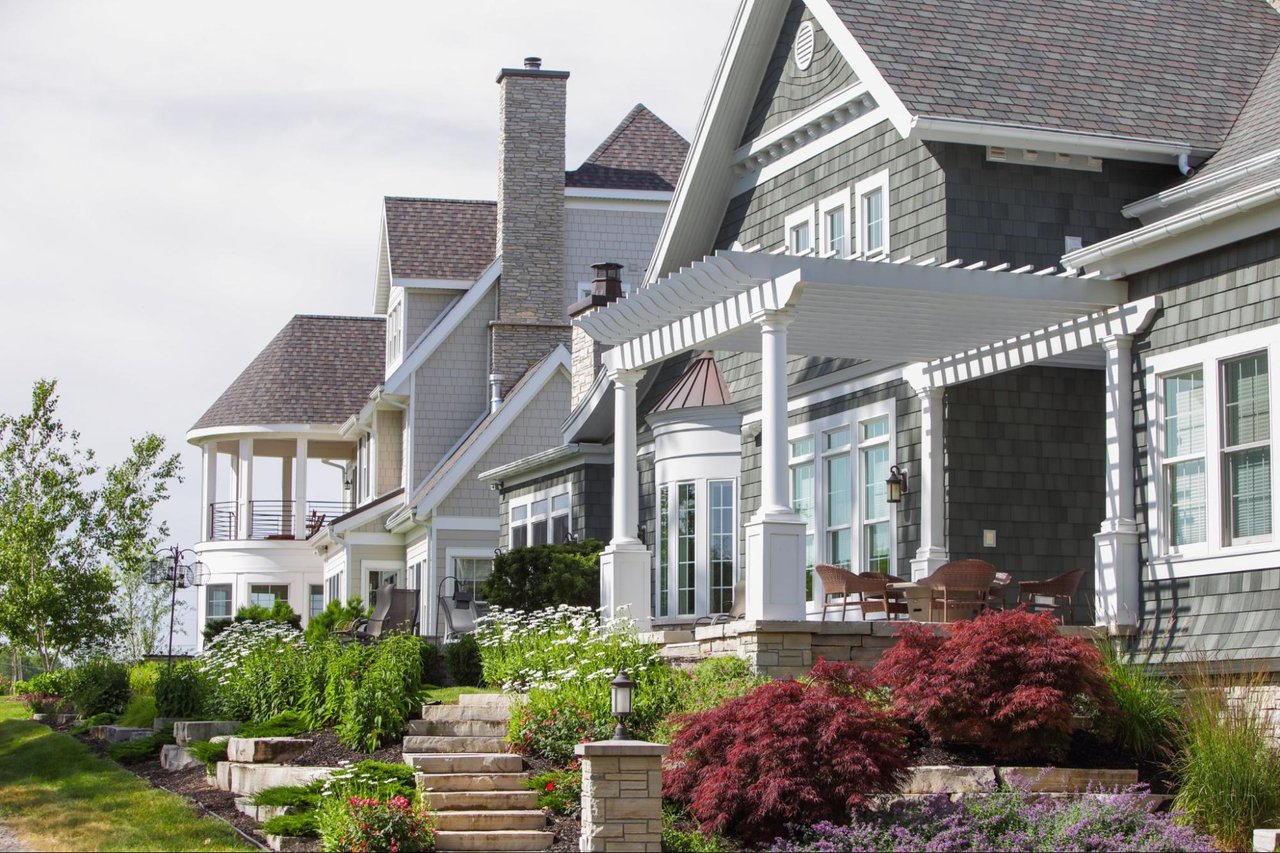
The residential streets surrounding Birmingham's core are as much a part of the city's appeal as the downtown itself. Tree-lined blocks of Tudors, Colonials, and brick Capes from the 1920s through the 1950s give the city a consistency of architectural character that newer suburbs simply haven't had the time to develop. The range of home sizes — from modest bungalows to larger estates — means the community accommodates a genuine range of households rather than a single demographic.
What Birmingham's Residential Character Looks Like
- Mature tree canopy throughout established neighborhoods that turns the city genuinely spectacular in fall
- Architectural variety on every block: Tudor Revival, Colonial, Georgian, and Craftsman homes coexist throughout
- Shain Park and Booth Park within the residential core — genuinely used, well-maintained gathering spaces for the community
- Walkability between neighborhoods and downtown that allows residents to run errands and meet friends on foot
- Consistent renovation and reinvestment throughout the city — a signal of long-term ownership and community commitment
Arts, Culture, and Community Life
Living in Birmingham, Michigan means access to a cultural life that significantly exceeds what a city of 20,000 typically delivers. The Birmingham Bloomfield Art Center, the Cranbrook campus nearby in Bloomfield Hills, and a consistent calendar of public arts programming give Birmingham a cultural texture that residents cite as one of the primary reasons they stay long after they initially planned to.
What Birmingham's Cultural Scene Offers
- Birmingham Bloomfield Art Center: classes, exhibitions, and community arts programming that serve residents year-round
- Art in Bloom, the Birmingham Street Art Fair, and annual events that animate the downtown and draw the community together
- The Baldwin Public Library: a beloved institution that operates well beyond its function as a genuine community anchor
- Proximity to Detroit's cultural institutions — the DIA, DSO, and a growing arts district — within a 30-minute drive
- A community events calendar that keeps downtown active across seasons and creates ongoing opportunities for connection
Location and Access: Birmingham's Place in Metro Detroit
Birmingham occupies a genuinely advantageous position within Oakland County — far enough from the city to feel like its own world, close enough to make Detroit's cultural and professional offerings fully accessible. For buyers who want a community with strong local identity alongside easy metropolitan access, Birmingham's geography consistently delivers on both sides of that balance.
How Birmingham Connects to the Broader Region
- Approximately 25 miles north of downtown Detroit via I-75 or Woodward Avenue's historic corridor
- Proximity to major Oakland County employment centers in Troy, Bloomfield Hills, and the I-696 corridor
- Detroit Metropolitan Airport accessible in 40 to 45 minutes under normal conditions
- Cranbrook's nationally recognized arts and education campus immediately to the north in Bloomfield Hills
- A position on Woodward Avenue — the historic spine of metro Detroit — that ties the community to the region's broader story
Frequently Asked Questions
What Types of Homes Are Most Common in Birmingham?
Birmingham's housing stock is dominated by mid-century brick homes — Colonials, Tudors, and Capes built between the 1920s and 1960s. Newer construction and larger estates also exist throughout the city, giving buyers a genuine range of architectural styles and price points within the same community.
How Does Birmingham Compare to Other Oakland County Communities?
Birmingham has a more walkable, downtown-centered lifestyle than most Oakland County neighbors — it functions more like a small city than a suburb. That distinction, combined with the architectural character of its neighborhoods, creates an experience genuinely different from Bloomfield Hills, Troy, or Royal Oak.
What Do Residents Love Most About Living Here?
The answer we hear most consistently is the downtown — specifically the ability to walk to dinner, the farmers market, a coffee shop, and a gallery without a car. That walkability paired with beautiful residential streets and a strong community identity is what makes Birmingham so hard to leave.
Connect With Shain Park, Realtors® to Find Your Birmingham Home
Birmingham is the kind of place that makes complete sense the moment you spend a Saturday morning here. Reach out to us at Shain Park, Realtors® and let's find you a home in a community that continues to earn its reputation every single day.
We'd love to introduce you to it.
We'd love to introduce you to it.